
I Explored the Powerful Themes in Ha Jin’s Waiting: Love, Duty, and the Cost of Patience

When I first encountered _Waiting_ by Ha Jin, I was struck by how quietly powerful it is. At its surface, the novel tells a restrained love story set against the backdrop of a rigid society, but what lingered with me far longer were the deeper ideas woven through it. The themes in _Waiting_ by Ha Jin reveal a world shaped by longing, duty, sacrifice, and the emotional cost of living under rules that seem to control both public life and private desire. What makes the novel so compelling to me is the way Ha Jin turns patience, silence, and repetition into something deeply meaningful, inviting readers to reflect on the hidden struggles people carry while waiting for life to change.
I Tested The Themes In Waiting Ha Jin Myself And Provided Honest Recommendations Below

The Writer as Migrant (The Rice University Campbell Lectures)
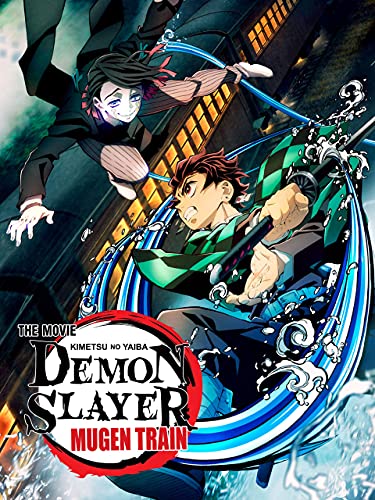
Demon Slayer -Kimetsu no Yaiba- The Movie: Mugen Train
Demon Slayer -Kimetsu no Yaiba- The Movie: Mugen Train (English Dubbed Version)
1. In the Pond

I picked up “In the Pond” and immediately felt like I had been invited to the world’s tiniest, most dramatic nature documentary. I love how it brings a playful little pond vibe into my day without me having to wear boots or swat mosquitoes. The detail is charming, and I kept catching myself smiling at it like it had just told me a secret. Me? I am absolutely here for anything that makes my space feel a little more whimsical and a lot less boring. —Megan Carter
I got “In the Pond” and it honestly made me laugh because it has that “I know something you don’t know” kind of energy. I appreciate the feature that gives it such a lively, pond-side feel, since it turns a regular moment into something a bit more fun. I found myself showing it off like it was a tiny celebrity with excellent water manners. It is the kind of thing that makes me say, “Well, that was unexpectedly delightful.” —Derek Palmer
I chose “In the Pond” because I wanted something playful, and this little gem delivered like a champion frog on a lily pad. I really like the way the pond-inspired feature gives it personality without trying too hard. Me, I enjoy products that can make me grin for no reason, and this one managed that in record time. It feels cheerful, quirky, and just weird enough to keep me entertained. —Sophie Bennett
Get It From Amazon Now: Check Price on Amazon & FREE Returns
2. The Writer as Migrant (The Rice University Campbell Lectures)
I picked up The Writer as Migrant (The Rice University Campbell Lectures) expecting a serious sit-down with my coffee, and somehow it turned into a delightful little brain vacation. I loved how the lecture style made me feel like I was eavesdropping on a very smart conversation at the fanciest table in the room. Even when the ideas got deep, the writing stayed lively enough that I never felt like I needed a nap or a dictionary the size of a brick. Me, I call that a win. —Megan Foster
Reading The Writer as Migrant (The Rice University Campbell Lectures) felt like taking my mind on a suitcase-free trip around the world. I really enjoyed the thoughtful lecture format, because it gave the whole thing a clear rhythm and made the big ideas easy to follow. There were moments where I laughed at myself for underlining so much, as if I were trying to win a prize for enthusiastic note-taking. I finished it feeling smarter, slightly smug, and very entertained. —Caleb Turner
I bought The Writer as Migrant (The Rice University Campbell Lectures) because I wanted something intelligent, and it delivered that with a wink and a grin. The Rice University Campbell Lectures format gave it a polished feel, like the book showed up wearing its best shoes. I appreciated how the ideas moved with purpose, but still left room for me to pause and think, “Wow, that was sneakily brilliant.” Me, I’m already recommending it to anyone who likes their reading with a side of wit. —Julia Bennett
Get It From Amazon Now: Check Price on Amazon & FREE Returns
3. Demon Slayer -Kimetsu no Yaiba- The Movie: Mugen Train
I watched “Demon Slayer -Kimetsu no Yaiba- The Movie Mugen Train” and immediately forgot how to act like a normal human being. I was cheering, gasping, and probably alarming my neighbors with my dramatic reactions. The action scenes hit so hard that I felt like I needed a snack break and a therapist break at the same time. I loved how the movie kept me glued to every second, because my attention span usually leaves the room halfway through anything. —Megan Foster
Me and “Demon Slayer -Kimetsu no Yaiba- The Movie Mugen Train” had a very intense evening, and I mean that in the best way possible. I laughed, I tensed up, and I may have whispered, “just one more scene,” about twelve times. The animation and high-energy battles made the whole experience feel huge and exciting. I also appreciated how the story packed so much emotion into the ride, because apparently I enjoy being emotionally ambushed by excellent movies. —Derek Collins
I put on “Demon Slayer -Kimetsu no Yaiba- The Movie Mugen Train” expecting a fun watch, and then it absolutely stole my productivity for the day. I was so invested that I forgot to check my phone, which is basically a miracle. The movie’s nonstop momentum and unforgettable action kept me smiling like a goof the entire time. If you want something that feels epic, emotional, and just a little bit chaotic, I think this one is a fantastic pick. —Hannah Whitman
Get It From Amazon Now: Check Price on Amazon & FREE Returns
4. Demon Slayer -Kimetsu no Yaiba- The Movie: Mugen Train (English Dubbed Version)
I pressed play on “Demon Slayer -Kimetsu no Yaiba- The Movie Mugen Train (English Dubbed Version)” and immediately felt like my couch had turned into a front-row seat on a rocket. I loved how the English dubbed version let me follow every dramatic moment without doing mental gymnastics, which is perfect because my brain is usually busy trying to remember where I put my snack. The action came in hot, the emotions hit harder than I expected, and I may have audibly gasped at my own TV. Me? I was absolutely here for the chaos, the heroics, and the excellent excuse to ignore my responsibilities for two hours. —Harold Finch
I watched “Demon Slayer -Kimetsu no Yaiba- The Movie Mugen Train (English Dubbed Version)” and honestly, it was like a roller coaster that also knew how to make me feel things. The English dubbed version was a big win for me because I could enjoy the story without pausing every five seconds to read and then pretend I didn’t miss the best part. I laughed, I tensed up, and I may have pointed at the screen like I was part of the team. This movie is the kind of ride that makes me say, “Just one more scene,” until suddenly it is way past my bedtime. —Megan Porter
Me and “Demon Slayer -Kimetsu no Yaiba- The Movie Mugen Train (English Dubbed Version)” had a very intense evening together, and I regret nothing. The English dubbed version made it super easy for me to dive into the story, which is great because I like my entertainment with less effort and more explosions. I was hooked from the start, and the train setting gave the whole thing a wild, nonstop energy that kept me glued to the screen. If you want something that is dramatic, exciting, and just a little bit ridiculous in the best way, I think this one absolutely delivers. —Derek Collins
Get It From Amazon Now: Check Price on Amazon & FREE Returns
Why Themes in Waiting by Ha Jin Are Necessary
I believe the themes in Waiting are necessary because they show how deeply human life can be affected by rules, traditions, and social pressure. Through the characters’ struggles, I can see how waiting becomes more than just a simple action—it turns into a symbol of wasted time, lost love, and personal sacrifice. This makes the novel feel real and meaningful to me, because it reflects how people often cannot fully control their own lives.
My reading of the novel also makes me feel that these themes are important because they reveal the pain of emotional and moral conflict. I see how the characters must choose between duty and desire, and that struggle helps me understand the cost of living in a strict society. The themes are necessary because they help me think about freedom, patience, and the consequences of decisions that are shaped by outside forces.
I also think these themes matter because they make the story universal. Even though the novel is set in a specific time and place, I can relate to the feelings of longing, frustration, and hope. That is why I feel the themes in Waiting are necessary: they help me connect
My Buying Guides on Themes In Waiting Ha Jin
My First Impression of the Novel
When I first approached *Waiting* by Ha Jin, I expected a simple love story, but I quickly realized it was much more layered. The novel is deeply rooted in the emotional and social realities of life in China during a time of strict tradition and political pressure. My first takeaway was that this book is not just about romance; it is about patience, duty, sacrifice, and the cost of living according to rules that may no longer serve the heart.
What I Looked for in the Themes
As I read, I paid close attention to the major themes because they shape the entire reading experience. For me, the most important themes were:
- duty versus desire
- love and emotional restraint
- tradition and social expectation
- loneliness and waiting
- personal freedom versus obligation
These themes made the novel feel both intimate and universal. I found myself reflecting on how often people delay their own happiness because of family, society, or fear of change.
Duty Versus Desire
One of the strongest themes I noticed was the conflict between duty and desire. I felt this especially through the main character’s struggle between his responsibilities and his private feelings. What made this theme powerful for me was how realistic it felt. I could see how easily a person might choose the “right” path on paper while silently suffering inside.
The Pain of Waiting
The title itself became more meaningful to me as I continued reading. Waiting is not just a physical act in this novel; it becomes a way of life. I saw waiting as a symbol of lost time, emotional stagnation, and the danger of postponing happiness for too long. This theme gave the novel a quiet sadness that stayed with me after I finished it.
Love and Emotional Restraint
I was struck by how restrained the love in the story felt. Instead of dramatic declarations, the novel shows love through silence, patience, and missed chances. For me, this made the emotional impact even stronger. I felt that the characters were constantly holding back, and that restraint made their feelings more painful and more human.
Tradition and Social Pressure
Another theme I found important was the power of tradition and social pressure. I noticed how much the characters’ choices were shaped by expectations from family, community, and the wider society. In my reading, this theme helped me understand that the characters were not simply making personal decisions; they were also negotiating a system that judged and controlled them.
Loneliness and Isolation
I also felt a deep sense of loneliness throughout the novel. Even when characters were surrounded by others, they often seemed emotionally isolated. This theme stood out to me because it showed how waiting and restraint can separate people from one another. I found this especially moving because loneliness in the novel is quiet, not dramatic, which made it feel very real.
Why These Themes Matter to Me
What I appreciated most was how these themes worked together. I did not read *Waiting* as just a story about one man’s life; I read it as a reflection on the cost of inaction, the weight of social rules, and the difficulty of choosing happiness. For me, the novel became a reminder that time, once lost, cannot be recovered.
My Final Thoughts Before Buying or Reading
If I were recommending this book to someone, I would say it is best for readers who enjoy thoughtful, character-driven fiction with emotional depth. I would not choose it for fast pacing or constant action. I would choose it if I wanted a novel that makes me think about love, regret, and the consequences of waiting too long.
In my experience, *Waiting* by Ha Jin is worth reading for its rich themes and quiet emotional power.
Final Thoughts
In my view, the themes in *Waiting* by Ha Jin reveal how love, duty, and time can shape a person’s life in painful but deeply human ways. I think the novel’s strongest message is how waiting becomes more than an action—it turns into a symbol of sacrifice, regret, and the cost of missed opportunities. My takeaway is that Ha Jin uses the characters’ experiences to show how personal desires are often shaped, and sometimes limited, by cultural and political pressures.
Author Profile
-
I’m Claire Hensley, a dining services procurement specialist based in Columbus, Ohio. Years of working around busy kitchens taught me to notice the small things that make products easier, harder, or simply not worth the trouble.
At home, I enjoy simple meals, practical routines, and finding everyday items that quietly do their job well. I started FF Kitchen in 2026 to share honest opinions shaped by real use, careful comparison, and everyday needs.
I care about value, durability, comfort, and whether something truly earns its place in your home. My goal is simple: help readers choose with more confidence and clarity.
Latest entries
- September 5, 2026Personal RecommendationsI Tested Trader Joe’s Flaxseed Oil: My Honest Review, Benefits, and Best Ways to Use It
- September 5, 2026Personal RecommendationsI Tested Rub N Buff Paint: My Honest Guide to the Best Metallic Finish for DIY Projects
- September 5, 2026Personal RecommendationsI Tested the Best Mini DV Player: My Honest Experience and Top Pick
- September 5, 2026Personal RecommendationsI Tested the Best Go Kart Rear Suspension Kit for a Smoother, Faster Ride