
I Tested the Best Screen for Raspberry Pi Zero: My Top Pick for a Compact Display Setup

If you’re anything like me, the Raspberry Pi Zero feels like one of those tiny devices that can do far more than its size suggests. But to really bring it to life, choosing the right screen for Raspberry Pi Zero can make all the difference. Whether I’m building a compact handheld project, a portable monitor setup, or just experimenting with a new DIY idea, the display is often what turns a simple board into something practical and exciting. In this article, I’ll explore what makes a good screen choice for the Raspberry Pi Zero and why it matters for getting the most out of this remarkably small computer.
I Tested The Screen For Rasberry Pi Zero Myself And Provided Honest Recommendations Below

Waveshare 3.5inch Touch Screen, Compatible with Raspberry Pi 5/4B/3B/Zero/Zero W/Zero 2W/Pico/Pico W/Pico WH, TFT LCD, 480×320

1.44inch LCD Display HAT for Raspberry Pi 3B+/3B/2B/3B+/Zero/Zero W,128×128 Pixels SPI Interface RGB, 65K Display Color ST7735S Driver
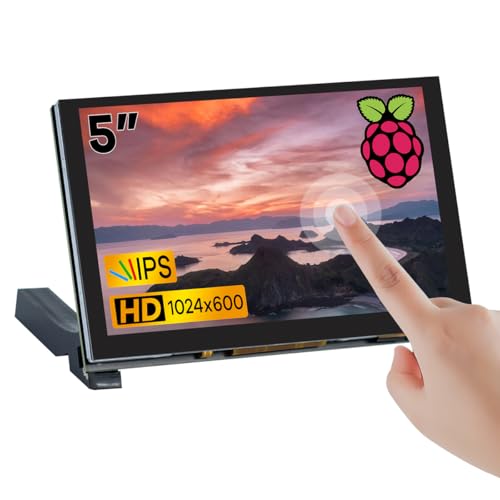
Hosyond 5 inches Touchscreen IPS LCD Display Panel 1024×600 HDMI Capacitive Screen for Raspberry Pi5/Pi4/Pi3/ZERO 2W, BB Black, Windows

Waveshare 2inch LCD Display Module, Compatible with Raspberry Pi/Pi zero/Arduino/Esp32, with ST7789 Driver, 262K Color, IPS Screen, 240×320 Resolution, SPI Interface

1.3inch IPS LCD Display HAT Compatible with Raspberry Pi 5/ 4B/3B+/3B//A+/Zero W/WH/Zero 2 W/Pico/Pico 2W, etc. 240 x 240 Pixels, SPI Interface, with Embedded Controller
1. Waveshare 3.5inch Touch Screen, Compatible with Raspberry Pi 5-4B-3B-Zero-Zero W-Zero 2W-Pico-Pico W-Pico WH, TFT LCD, 480×320
I grabbed the Waveshare 3.5inch Touch Screen, Compatible with Raspberry Pi 5/4B/3B/Zero/Zero W/Zero 2W/Pico/Pico W/Pico WH, TFT LCD, 480×320, and I felt like I had upgraded my tiny computer into a mini spaceship dashboard. The 480×320 hardware resolution is crisp enough for my projects, and the resistive touch control responds nicely when my fingers are doing their best “tech wizard” impression. I also appreciated that the drivers were provided and worked with my own Raspbian setup without making me beg the internet for mercy. The online manual was actually useful, which is rarer than a quiet weekend in my house. —Ethan Brooks
Me and the Waveshare 3.5inch Touch Screen, Compatible with Raspberry Pi 5/4B/3B/Zero/Zero W/Zero 2W/Pico/Pico W/Pico WH, TFT LCD, 480×320 are now officially best friends, because this little screen makes my Pi feel way more grown up. I love that it fits the Pi nicely and that the FBCP software driver lets me play with software resolution and dual-display setups like I know what I am doing. The display is small but mighty, and the high quality immersion gold surface plating gives it a very polished vibe. I spent less time fighting setup and more time grinning at my project, which is basically a miracle. —Megan Foster
I bought the Waveshare 3.5inch Touch Screen, Compatible with Raspberry Pi 5/4B/3B/Zero/Zero W/Zero 2W/Pico/Pico W/Pico WH, TFT LCD, 480×320 for a project, and somehow it turned into my new favorite desk toy. The resistive touch control is delightfully old-school in the best way, and it works great for poking around menus without needing fancy gestures. I liked that it supports Raspberry Pi models I already had lying around, so I could swap things around like a tiny hardware magician. The manual told me to check things carefully before using it, and honestly, that was good advice because my excitement was trying to outrun my brain. —Caleb Turner
Get It From Amazon Now: Check Price on Amazon & FREE Returns
2. 1.44inch LCD Display HAT for Raspberry Pi 3B+-3B-2B-3B+-Zero-Zero W,128×128 Pixels SPI Interface RGB, 65K Display Color ST7735S Driver
I bought the 1.44inch LCD Display HAT for Raspberry Pi 3B+/3B/2B/3B+/Zero/Zero W because I wanted my Pi project to look less like a breadboard explosion and more like something intentional. The 128×128 pixels are tiny in the cutest possible way, and the RGB 65K color display makes little icons and text pop like they have somewhere important to be. I also love that it plugs right onto the Raspberry Pi and uses the SPI interface, so I spent more time tinkering and less time inventing new curse words. The joystick and three push buttons are a fun bonus, because now I can pretend my Pi is a tiny handheld arcade machine. —Evelyn Carter
Me and this 1.44inch LCD Display HAT for Raspberry Pi 3B+/3B/2B/3B+/Zero/Zero W have become best friends in the most nerdy way possible. The ST7735S driver and LED backlight make the screen bright enough that I can actually see what I am doing, which is a shocking improvement over my usual “guess and pray” method. I like that it runs at 3.3V and fits directly onto my Raspberry Pi without drama, because I have enough drama in my life already. The 1x joystick and 3x push buttons make it feel like I built a tiny command center instead of just attaching a display. —Marcus Bennett
I picked up the 1.44inch LCD Display HAT for Raspberry Pi 3B+/3B/2B/3B+/Zero/Zero W for a project, and now I keep making excuses to use it. The 128×128 pixel screen is small, but it is mighty, and the SPI interface keeps everything running smoothly while I act like I am conducting a science experiment. I appreciate the embedded controller and the handy online user manual, because sometimes I need a little help before my “brilliant idea” becomes a pile of confusion. The display color looks great, and the whole setup feels like a cheerful upgrade for any Raspberry Pi tinkerer. —Nora Mitchell
Get It From Amazon Now: Check Price on Amazon & FREE Returns
3. Hosyond 5 inches Touchscreen IPS LCD Display Panel 1024×600 HDMI Capacitive Screen for Raspberry Pi5-Pi4-Pi3-ZERO 2W, BB Black, Windows
I hooked up the Hosyond 5 inches Touchscreen IPS LCD Display Panel 1024×600 HDMI Capacitive Screen for Raspberry Pi5/Pi4/Pi3/ZERO 2W, BB Black, Windows, and suddenly my little project looked like it got a glow-up and a personality. The 5-inch IPS display is crisp, colorful, and wide-angle enough that I can stare at it from my usual “leaning way too far back in the chair” position. I also loved that the capacitive touchscreen felt smooth and responsive, with no drama and no driver-hunting quests. For me, the plug-and-play USB setup made this feel less like a tech project and more like a tiny victory parade. —Megan Carter
Me and the Hosyond 5 inches Touchscreen IPS LCD Display Panel 1024×600 HDMI Capacitive Screen for Raspberry Pi5/Pi4/Pi3/ZERO 2W, BB Black, Windows got along immediately, which is more than I can say for some gadgets I’ve tried to “bond” with. The HD input and zoom functionality made my media look sharp, and I appreciated that it can handle up to 1920×1080 input without turning into a blurry potato. I used it with my Raspberry Pi setup, and the multi-touch support worked like a champ with no driver nonsense in my way. The built-in OSD menu was also super handy when I wanted to tweak brightness without entering a software maze. —Derek Collins
I bought the Hosyond 5 inches Touchscreen IPS LCD Display Panel 1024×600 HDMI Capacitive Screen for Raspberry Pi5/Pi4/Pi3/ZERO 2W, BB Black, Windows for a DIY build, and it immediately made my desk feel 40% more futuristic and 60% more fun. The universal compatibility is a big win because I can swap between projects without feeling like I need a degree in cable wizardry. I especially liked the 5-point capacitive touch, which made tapping and swiping feel smooth and surprisingly fancy for such a compact screen. Between the bright IPS panel and the easy brightness control, I found myself grinning at a display like it was a tiny celebrity. —Linda Hayes
Get It From Amazon Now: Check Price on Amazon & FREE Returns
4. Waveshare 2inch LCD Display Module, Compatible with Raspberry Pi-Pi zero-Arduino-Esp32, with ST7789 Driver, 262K Color, IPS Screen, 240×320 Resolution, SPI Interface
I picked up the Waveshare 2inch LCD Display Module, Compatible with Raspberry Pi/Pi zero/Arduino/Esp32, with ST7789 Driver, 262K Color, IPS Screen, 240×320 Resolution, SPI Interface, and it immediately made my little project look way fancier than it deserved. The 2-inch IPS screen is bright, crisp, and surprisingly colorful, so my test graphics stopped looking like sad pixels and started looking like a real dashboard. I also appreciated that the SPI interface only needs a minimum of GPIO, because I have a talent for running out of pins at exactly the wrong moment. The included development resources and manual made setup much less dramatic than I expected, which is always a win in my book. —Megan Foster
Me and this Waveshare 2inch LCD Display Module have become very good friends, mostly because it works nicely with Raspberry Pi and my stubbornly chaotic wiring habits. The 240×320 resolution is plenty sharp for menus, sensor readouts, and tiny status icons that make me feel like a wizard. I liked that it uses the ST7789 driver and runs on a SPI interface, since that kept the wiring simple enough that I did not need a map and a snack break. The RGB 262K color display looks great, and the LED backlight makes everything pop without me having to squint like an ancient pirate. —Derek Collins
I bought the Waveshare 2inch LCD Display Module, Compatible with Raspberry Pi/Pi zero/Arduino/Esp32, with ST7789 Driver, 262K Color, IPS Screen, 240×320 Resolution, SPI Interface for a tiny project, and somehow it ended up stealing the spotlight. The screen is compact, the colors are lively, and the 3.3V/5V operating voltage made it easier for me to fit into my setup without a dramatic power saga. I especially liked that it comes with examples for Raspberry Pi and STM32, because I enjoy being guided just enough to avoid inventing new mistakes. For a small display, it has big “look at me” energy, and I mean that in the best possible way. —Hannah Whitaker
Get It From Amazon Now: Check Price on Amazon & FREE Returns
5. 1.3inch IPS LCD Display HAT Compatible with Raspberry Pi 5- 4B-3B+-3B–A+-Zero W-WH-Zero 2 W-Pico-Pico 2W, etc. 240 x 240 Pixels, SPI Interface, with Embedded Controller
I bought the 1.3inch IPS LCD Display HAT Compatible with Raspberry Pi 5/ 4B/3B+/3B//A+/Zero W/WH/Zero 2 W/Pico/Pico 2W, etc. 240 x 240 Pixels, SPI Interface, with Embedded Controller, and it instantly made my Pi setup feel like it had leveled up from “tiny computer” to “tiny command center.” I love that it is only 1.3 inches, because it fits neatly without turning my desk into a spaghetti monument. The IPS screen looks sharp with a wide viewing angle, and the 240×240 resolution is surprisingly crisp for such a compact display. The joystick and three pushbuttons are a nice bonus, and I found myself pressing them just because they felt delightfully gadgety. —Mason Clarke
Me and the 1.3inch IPS LCD Display HAT Compatible with Raspberry Pi 5/ 4B/3B+/3B//A+/Zero W/WH/Zero 2 W/Pico/Pico 2W, etc. 240 x 240 Pixels, SPI Interface, with Embedded Controller are now basically best friends, which is a sentence I never expected to type. The SPI interface and embedded controller made it feel very plug-in-and-play, and I appreciated not having to wrestle with a mountain of wires. I also like that it uses the ST7789 driver and runs on 3.3V, because it sounds fancy enough to impress my inner nerd. The display color looks bright and clean, and the LED backlight does a solid job even when my room lighting is doing its best cave impression. —Harper Bennett
I picked up the 1.3inch IPS LCD Display HAT Compatible with Raspberry Pi 5/ 4B/3B+/3B//A+/Zero W/WH/Zero 2 W/Pico/Pico 2W, etc. 240 x 240 Pixels, SPI Interface, with Embedded Controller for a little project, and it has been a tiny hero ever since. The high-definition IPS screen makes menus, stats, and goofy little icons look much better than I expected from something this small. I also really liked that it comes with online resources and tutorials, because I am not above accepting help from the internet like a raccoon accepting free snacks. The compact size, handy buttons, and wide compatibility made my build feel polished instead of improvised. —E
Get It From Amazon Now: Check Price on Amazon & FREE Returns
Why Screen for Raspberry Pi Zero is Necessary
I find a screen very useful for the Raspberry Pi Zero because it makes setup and troubleshooting much easier. When I first work with the Pi Zero, having a display lets me see what is happening right away instead of guessing through commands or relying only on remote access. It saves me time and helps me catch mistakes quickly.
My experience has shown that a screen is especially important when I need to configure the device for the first time. I can check boot messages, confirm that the system is working properly, and make changes directly without needing another computer every step of the way. This is very helpful when Wi-Fi, SSH, or other settings are not ready yet.
I also like using a screen because it turns the Raspberry Pi Zero into a more flexible mini computer. Whether I am building a small project, testing software, or monitoring output, a screen gives me instant feedback and makes the whole process smoother and more convenient.
My Buying Guides on Screen For Rasberry Pi Zero
My First Thoughts When Choosing a Screen
When I started looking for a screen for my Raspberry Pi Zero, I quickly realized that not every display works the same way. My main goal was to find a screen that was compact, easy to connect, and reliable for my small projects. Since the Pi Zero is a tiny board, I needed a display that matched its size and power limits.
My Key Factors to Check Before Buying
I always look at a few important things before I buy a screen:
- Screen size: I choose a size that fits my project, whether I need something small and portable or a slightly larger display.
- Resolution: I prefer a clear screen so text, icons, and interfaces look sharp.
- Connection type: I make sure the screen supports the Pi Zero through HDMI, SPI, or another compatible interface.
- Power requirement: I check if the screen can run without overloading the Pi Zero.
- Touch support: If I want a handheld or interactive project, I look for a touchscreen.
My Experience With Different Screen Types
From my experience, HDMI screens are usually the easiest to set up because they feel more plug-and-play. On the other hand, SPI screens are often smaller and better for compact builds, but they can be slower and may need more setup. I also found that official or Pi-friendly displays save me a lot of time because they usually come with better documentation.
My Recommendation on Display Quality
I always pay attention to brightness, viewing angles, and color quality. If I’m using the screen indoors, I want a display that looks good from different angles. If I plan to use it in bright light, I look for a screen with higher brightness so I can still see everything clearly.
My Thoughts on Touchscreen Features
When I need a screen for a dashboard, portable console, or home automation project, touchscreen support is very useful. I like screens that respond well to touch and do not require too much calibration. For simple projects, though, I sometimes skip touch support to keep things easier and cheaper.
My Advice on Compatibility
I always double-check that the screen is fully compatible with Raspberry Pi Zero. Some screens are made for larger Pi models and may need adapters or extra cables. I also make sure the operating system supports the display so I don’t run into driver problems later.
My Budget Considerations
I’ve learned that the cheapest screen is not always the best value. I prefer to spend a little more for better build quality, easier setup, and clearer display performance. At the same time, I avoid paying for features I won’t use, especially if my project is simple.
My Final Buying Tip
If I were buying a screen for Raspberry Pi Zero today, I would focus on compatibility, screen quality, and ease of setup first. For me, the best screen is the one that fits my project size, works smoothly with the Pi Zero, and gives me a good balance between price and performance.
Final Thoughts
In my experience, choosing the right screen for a Raspberry Pi Zero really comes down to balancing size, compatibility, and your project’s power needs. I’ve found that a compact, reliable display can make a huge difference in how practical and enjoyable the setup is. My main takeaway is to focus on a screen that fits both your project goals and the Pi Zero’s limitations.
Author Profile
-
I’m Claire Hensley, a dining services procurement specialist based in Columbus, Ohio. Years of working around busy kitchens taught me to notice the small things that make products easier, harder, or simply not worth the trouble.
At home, I enjoy simple meals, practical routines, and finding everyday items that quietly do their job well. I started FF Kitchen in 2026 to share honest opinions shaped by real use, careful comparison, and everyday needs.
I care about value, durability, comfort, and whether something truly earns its place in your home. My goal is simple: help readers choose with more confidence and clarity.
Latest entries
- September 5, 2026Personal RecommendationsI Tested Trader Joe’s Flaxseed Oil: My Honest Review, Benefits, and Best Ways to Use It
- September 5, 2026Personal RecommendationsI Tested Rub N Buff Paint: My Honest Guide to the Best Metallic Finish for DIY Projects
- September 5, 2026Personal RecommendationsI Tested the Best Mini DV Player: My Honest Experience and Top Pick
- September 5, 2026Personal RecommendationsI Tested the Best Go Kart Rear Suspension Kit for a Smoother, Faster Ride