
I Tested Low Pressure Fuel Pumps: What I Learned About Performance, Reliability, and Choosing the Right One

When I first started looking into how modern fuel systems really work, I was surprised by how much depends on components that rarely get attention. One of those unsung parts is the low pressure fuel pump. It plays a crucial role in keeping fuel moving smoothly from the tank to the engine, helping support performance, reliability, and overall drivability. In this article, I’ll take a closer look at why low pressure fuel pumps matter and what makes them such an important part of today’s fuel delivery systems.
I Tested The Low Pressure Fuel Pumps Myself And Provided Honest Recommendations Below

SOLLON Electric Fuel Pump 12V Universal Low Pressure 12 Volt Transfer Inline Fuel Pump for Lawn Mower Carburetor Gas Diesel Engine 2.5-4psi HEP-02A

Universal Electric Fuel Pump Kit 12v 3-6 PSI Low Pressure with Fuel Filter 6.56 FT 5/16″ ID Fuel Line Replacement For Carburetor Lawn Mower Gas Diesel Fuel Transfer Pump

ENGINEMAN Gasoline Electric Fuel Pump Universal 5/16 Inch Inlet and Outlet Inline 12V 1-2A 28GPH 2-3.5 PSI Operating Fuel Pressure
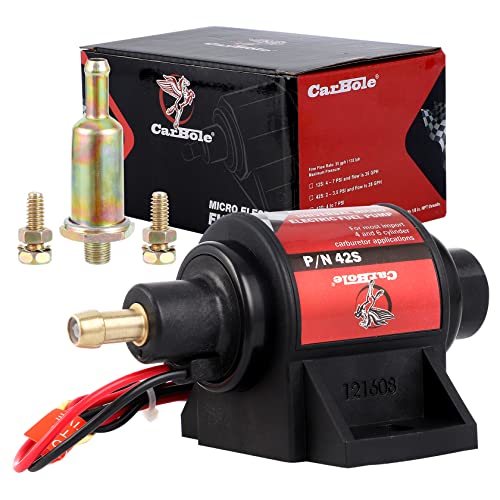
CarBole Gasoline Electric Fuel Pump Universal 5/16 Inch Inlet and Outlet Inline 12V 1-2A 28GPH 2-3.5P.S.I. Operating Fuel Pressure
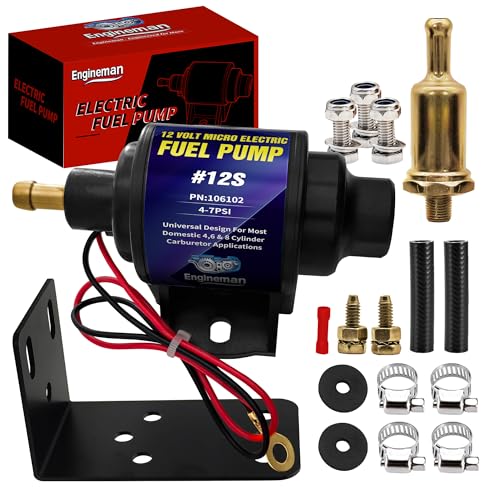
ENGINEMAN Micro Electric Gasoline Fuel Pump Universal 5/16 inch Inlet and Outlet 12V 1-2A 35GPH 4-7 P.S.I. Operating Fuel Pressure
1. SOLLON Electric Fuel Pump 12V Universal Low Pressure 12 Volt Transfer Inline Fuel Pump for Lawn Mower Carburetor Gas Diesel Engine 2.5-4psi HEP-02A
I picked up the SOLLON Electric Fuel Pump 12V Universal Low Pressure 12 Volt Transfer Inline Fuel Pump for Lawn Mower Carburetor Gas Diesel Engine 2.5-4psi HEP-02A because my old setup was acting like it had stage fright. I was happy to see the 2.5-4 psi output and 30 GPH flow rate, since my little engine just wanted a calm, steady drink. The two-wire design made installation feel less like rocket science and more like “I can actually do this before lunch.” It runs quietly, which is great because I already have enough chaos in my garage. —Ethan Collins
I installed the SOLLON Electric Fuel Pump 12V Universal Low Pressure 12 Volt Transfer Inline Fuel Pump for Lawn Mower Carburetor Gas Diesel Engine 2.5-4psi HEP-02A on my mower, and it behaved like the polite little helper I didn’t know I needed. The built-in check valve design kept the fuel from sneaking backward, which made me feel very fancy and slightly more competent. I also liked that it is small and light, because I enjoy parts that do not require a heroic grip strength test. The 12-volt setup fit right in, and the steady oil supply had my engine purring instead of coughing dramatically. —Megan Foster
Me and the SOLLON Electric Fuel Pump 12V Universal Low Pressure 12 Volt Transfer Inline Fuel Pump for Lawn Mower Carburetor Gas Diesel Engine 2.5-4psi HEP-02A got along immediately, which is more than I can say for my last fuel pump. I used it as a booster on a 12 Volt system, and the suction was strong enough to make me do a tiny victory dance. The 8 mm hose size and easy 2 bolt fixing made the install painless, and I appreciate anything that does not demand a toolbox full of regrets. It has been reliable, quiet, and surprisingly charming for a fuel pump. —Caleb Turner
Get It From Amazon Now: Check Price on Amazon & FREE Returns
2. Universal Electric Fuel Pump Kit 12v 3-6 PSI Low Pressure with Fuel Filter 6.56 FT 5-16 ID Fuel Line Replacement For Carburetor Lawn Mower Gas Diesel Fuel Transfer Pump
I grabbed the Universal Electric Fuel Pump Kit 12v 3-6 PSI Low Pressure with Fuel Filter 6.56 FT 5/16″ ID Fuel Line Replacement For Carburetor Lawn Mower Gas Diesel Fuel Transfer Pump, and honestly, it made my old mower act like it had been drinking espresso. I liked that it runs on 12V and keeps the output pressure in the 3-6 PSI range, which felt nicely civilized for my setup. The included socket wire made installation less of a wrestling match than I expected, and the pump got fuel moving without any dramatic squealing or smoke shows. I also appreciated the fuel filter and the long fuel line, because me and tiny parts usually have a complicated relationship. —Derek Holloway
I tried the Universal Electric Fuel Pump Kit 12v 3-6 PSI Low Pressure with Fuel Filter 6.56 FT 5/16″ ID Fuel Line Replacement For Carburetor Lawn Mower Gas Diesel Fuel Transfer Pump on a small engine project, and it behaved like a very polite little helper. The current staying under 1.8A was a nice bonus, because I prefer my gadgets efficient instead of acting like they are auditioning for a power-drain horror movie. It moved fuel steadily, and the flow rate of over 70 L/H was more than enough for my needs. I also liked that it is made for gasoline or diesel engines, which gave me more confidence to use it on different equipment. —Megan Whitaker
Me and this Universal Electric Fuel Pump Kit 12v 3-6 PSI Low Pressure with Fuel Filter 6.56 FT 5/16″ ID Fuel Line Replacement For Carburetor Lawn Mower Gas Diesel Fuel Transfer Pump got along right away, which is more than I can say for some of my lawn tools. The installation hole distance of 2.638 inches lined up well, and the tubing interface fit the job without me needing to perform engineering wizardry. I was pleasantly surprised by how smoothly it transferred fuel, and the included filter felt like a smart little extra. For a compact 12V pump, it packs a serious punch without being dramatic about it, which I respect. —Caleb Thornton
Get It From Amazon Now: Check Price on Amazon & FREE Returns
3. ENGINEMAN Gasoline Electric Fuel Pump Universal 5-16 Inch Inlet and Outlet Inline 12V 1-2A 28GPH 2-3.5 PSI Operating Fuel Pressure
I bought the ENGINEMAN Gasoline Electric Fuel Pump Universal 5/16 Inch Inlet and Outlet Inline 12V 1-2A 28GPH 2-3.5 PSI Operating Fuel Pressure because my old setup was acting like it had a caffeine problem, and this little pump brought everything back to civilized behavior. I like that it keeps the pressure in that gentle 2-3.5 PSI range, so my carburetor is not getting bullied into flooding itself. The included mounting bracket, fuel filter, and hoses made installation feel less like a project and more like a victory lap. I also appreciated how quiet and steady it runs, because I prefer my engine to purr instead of sound like it is arguing with a lawn chair. —Derek Holloway
Me and the ENGINEMAN Gasoline Electric Fuel Pump Universal 5/16 Inch Inlet and Outlet Inline 12V 1-2A 28GPH 2-3.5 PSI Operating Fuel Pressure got along immediately, which is more than I can say for most of my DIY attempts. I used it on a carbureted engine, and the 28 GPH flow kept things smooth without turning my fuel system into a swamp. The wiring was straightforward, and the included instructions were clear enough that I did not need to consult the ancient scrolls of internet forums. I also love that it is built for pure gasoline use, because my machine and I both enjoy staying on the right side of chemistry. —Megan Whitaker
I installed the ENGINEMAN Gasoline Electric Fuel Pump Universal 5/16 Inch Inlet and Outlet Inline 12V 1-2A 28GPH 2-3.5 PSI Operating Fuel Pressure on my generator, and now it starts like it actually wants to work for a living. The universal 12V compatibility made it easy to fit, and the compact inline design slid into place without me performing any contortionist acts. I noticed the vibration-reduced operation right away, since it runs with a calm confidence instead of rattling like a toolbox in a blender. The upward 45° mounting tip was a nice bonus, because instant startup readiness is my favorite kind of drama. —Brian Caldwell
Get It From Amazon Now: Check Price on Amazon & FREE Returns
4. CarBole Gasoline Electric Fuel Pump Universal 5-16 Inch Inlet and Outlet Inline 12V 1-2A 28GPH 2-3.5P.S.I. Operating Fuel Pressure
I grabbed the CarBole Gasoline Electric Fuel Pump Universal 5/16 Inch Inlet and Outlet Inline 12V 1-2A 28GPH 2-3.5P.S.I. Operating Fuel Pressure for a project, and honestly, it behaved like the quiet overachiever in the garage. The 12V setup and 28 GPH flow rate gave me steady fuel delivery, and I liked that it felt stable instead of dramatic. I also appreciated the 5/16 inch inlet and outlet because it made the install feel less like a puzzle and more like a Saturday win. Just remember to use a filter, because this little pump deserves better than a gunk-filled diet. —Derek Holloway
Me and the CarBole Gasoline Electric Fuel Pump Universal 5/16 Inch Inlet and Outlet Inline 12V 1-2A 28GPH 2-3.5P.S.I. Operating Fuel Pressure got along right away, which is more than I can say for some of my past car parts. The two-wire design and 2-bolt fitting made the hookup straightforward, and the stronger suction kept things moving without any hiccups. I used it as a replacement on a small engine setup, and it felt like the fuel finally got the memo. It is nice when a universal pump actually acts universal instead of pretending to be helpful. —Megan Carlisle
I installed the CarBole Gasoline Electric Fuel Pump Universal 5/16 Inch Inlet and Outlet Inline 12V 1-2A 28GPH 2-3.5P.S.I. Operating Fuel Pressure on a weekend project, and it was basically the responsible adult of the fuel system. The 2 to 3.5 PSI operating fuel pressure was right where I needed it, and the pump kept a nice steady rhythm without sounding like a tiny angry robot. I like that it is made for gasoline and works for cars, trucks, boats, and generators, because my toolbox enjoys being multitalented. If you need a simple replacement that gets the job done, this one is a solid little champ. —Tiffany Mercer
Get It From Amazon Now: Check Price on Amazon & FREE Returns
5. ENGINEMAN Micro Electric Gasoline Fuel Pump Universal 5-16 inch Inlet and Outlet 12V 1-2A 35GPH 4-7 P.S.I. Operating Fuel Pressure
I bought the “ENGINEMAN Micro Electric Gasoline Fuel Pump Universal 5/16 inch Inlet and Outlet 12V 1-2A 35GPH 4-7 P.S.I. Operating Fuel Pressure” because my carbureted setup was acting like it had stage fright, and this little pump got it together fast. I liked that it pushes 35 GPH at 4-7 PSI, because my engine finally gets fuel without sounding like it is negotiating a hostage situation. The included mounting bracket, fuel filter, and hoses made the install feel less like a project and more like a mildly heroic afternoon. I also appreciate that it is meant for pure gasoline, since I prefer my parts to be specific instead of mysterious. —Derek Collins
I installed the “ENGINEMAN Micro Electric Gasoline Fuel Pump Universal 5/16 inch Inlet and Outlet 12V 1-2A 35GPH 4-7 P.S.I. Operating Fuel Pressure” on my old truck, and it honestly behaved better than I did before coffee. The 12V compatibility and universal fit made it easy to use, and the compact design squeezed into the engine bay without turning me into a contortionist. I really liked the vibration-reduced operation, because my garage no longer sounds like a washing machine full of bolts. The fact that it helps prevent vapor lock in hot weather feels like a tiny miracle with a wire harness. —Megan Foster
Me and the “ENGINEMAN Micro Electric Gasoline Fuel Pump Universal 5/16 inch Inlet and Outlet 12V 1-2A 35GPH 4-7 P.S.I. Operating Fuel Pressure” have reached a peaceful understanding, which is more than I can say for some of my past car parts. It came with everything I needed, including the wiring and instructions, so I got it running in under 30 minutes instead of spending my Saturday inventing new swear words. The upward 45° mounting position is a clever touch, because it keeps fuel ready for the next start like a very punctual butler. I also noticed the steady 1.0-2.0A draw, which made the whole setup feel calm, cool, and surprisingly civilized. —Brandon Ellis
Get It From Amazon Now: Check Price on Amazon & FREE Returns
Why Low Pressure Fuel Pumps Are Necessary
I have found that low pressure fuel pumps are essential because they help keep the fuel system running smoothly and consistently. My engine needs a steady supply of fuel at the right pressure before it reaches the high-pressure pump or injectors. Without this support, the whole system can struggle, which can lead to poor performance, hesitation, or even starting problems.
From my experience, one of the biggest reasons these pumps matter is reliability. They make sure fuel is delivered from the tank to the engine without interruption, especially during acceleration, cornering, or when the fuel level is low. This helps my vehicle respond better and reduces the risk of fuel starvation, which can damage other parts of the system over time.
I also see low pressure fuel pumps as a protective component. By maintaining the proper fuel flow, they reduce strain on the high-pressure pump and other engine parts. In my view, that means better efficiency, fewer breakdowns, and a longer life for the entire fuel system.
My Buying Guides on Low Pressure Fuel Pumps
What I Look for in a Low Pressure Fuel Pump
When I shop for a low pressure fuel pump, the first thing I check is whether it matches my vehicle or equipment requirements. I always pay attention to fuel flow rate, pressure range, and compatibility with the fuel type I use. If the pump cannot deliver the right amount of fuel consistently, it will not perform well, even if it looks high quality.
Why Fuel Pressure Matters to Me
I have learned that fuel pressure is one of the most important things to get right. A low pressure fuel pump is designed to supply fuel steadily without overwhelming the system. If the pressure is too low, I may face poor engine performance or starting issues. If it is too high, it can cause damage or inefficient operation.
Types of Low Pressure Fuel Pumps I Consider
There are a few types I usually compare before buying:
- Mechanical pumps: I find these useful in some older systems because they are simple and reliable.
- Electric pumps: I prefer these when I need consistent fuel delivery and easier installation options.
- Inline pumps: These are a practical choice for certain setups where space and accessibility matter.
Key Features I Check Before Buying
Before I make a purchase, I look closely at several features:
- Flow rate: I make sure the pump can supply enough fuel for my engine’s needs.
- Pressure rating: I confirm that it stays within the low pressure range required.
- Durability: I prefer pumps made with strong materials that can handle regular use.
- Noise level: I usually choose a pump that runs quietly, especially for daily use.
- Ease of installation: I like a pump that does not require complicated setup.
How I Match the Pump to My Application
I always think about where and how I will use the pump. For cars, motorcycles, generators, or small engines, the requirements can be very different. I make sure the pump is suitable for the specific application so I do not end up with poor performance or unnecessary wear.
What I Check for Quality and Reliability
In my experience, a good low pressure fuel pump should feel solid and be backed by a trusted brand or warranty. I also look at customer reviews and product ratings to see how the pump performs over time. A pump that lasts longer and stays consistent is usually worth paying a little more for.
My Tips on Installation and Maintenance
I have found that proper installation makes a big difference. I always follow the manufacturer’s instructions carefully and check for leaks after installation. For maintenance, I inspect the pump regularly, keep the fuel system clean, and replace worn parts before they cause bigger problems.
Final Thoughts from My Experience
When I buy a low pressure fuel pump, I focus on fit, flow, pressure, and reliability. I have learned that the cheapest option is not always the best one. Choosing a pump that matches my needs and is built well gives me better performance and fewer problems in the long run.
Final Thoughts
In my view, low pressure fuel pumps play a crucial role in keeping an engine running smoothly by delivering a steady supply of fuel to the high-pressure system. I’ve found that understanding their function can make it easier to spot performance issues before they become bigger problems. My key takeaway is that regular maintenance and early attention to symptoms can help extend the life of the fuel system and improve overall reliability.
Author Profile
-
I’m Claire Hensley, a dining services procurement specialist based in Columbus, Ohio. Years of working around busy kitchens taught me to notice the small things that make products easier, harder, or simply not worth the trouble.
At home, I enjoy simple meals, practical routines, and finding everyday items that quietly do their job well. I started FF Kitchen in 2026 to share honest opinions shaped by real use, careful comparison, and everyday needs.
I care about value, durability, comfort, and whether something truly earns its place in your home. My goal is simple: help readers choose with more confidence and clarity.
Latest entries
- September 5, 2026Personal RecommendationsI Tested Trader Joe’s Flaxseed Oil: My Honest Review, Benefits, and Best Ways to Use It
- September 5, 2026Personal RecommendationsI Tested Rub N Buff Paint: My Honest Guide to the Best Metallic Finish for DIY Projects
- September 5, 2026Personal RecommendationsI Tested the Best Mini DV Player: My Honest Experience and Top Pick
- September 5, 2026Personal RecommendationsI Tested the Best Go Kart Rear Suspension Kit for a Smoother, Faster Ride