
I Tested Electrically Conductive Grease for Circuit Board Pin Connectors and Here’s What Worked Best

I’ve always found that the smallest components in electronics can make the biggest difference, and that’s especially true when it comes to circuit board pin connectors. Electrically conductive grease for circuit board pin connectors plays a crucial role in helping maintain reliable electrical contact, reduce resistance, and protect connections from wear, oxidation, and environmental stress. In a world where performance and longevity matter more than ever, understanding this specialized grease can reveal just how much impact a thin layer of material can have on the stability and efficiency of an electronic system.
I Tested The Electrically Conductive Grease For Circuit Board Pin Connectors Myself And Provided Honest Recommendations Below

WANJAO Conductive Glue, Electrically Conductive Adhesives Circuit Board Glue Strong Adhesion, Conductive After Curing Stable Performance for Connecting Shielding Repairing Contacts, 100 ml Black
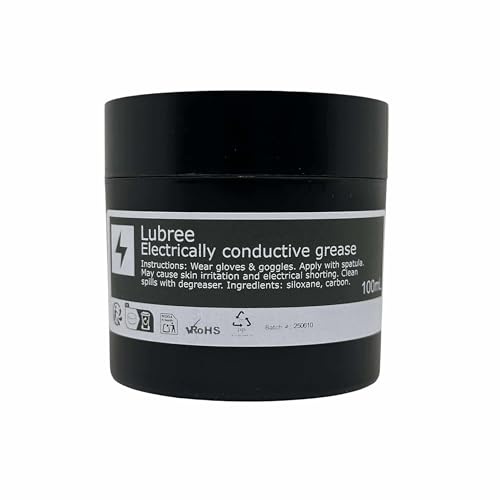
Lubree — Electrically Conductive Grease (100mL)

Circuit Scribe Conductive Ink Pen: Draw Circuits Instantly
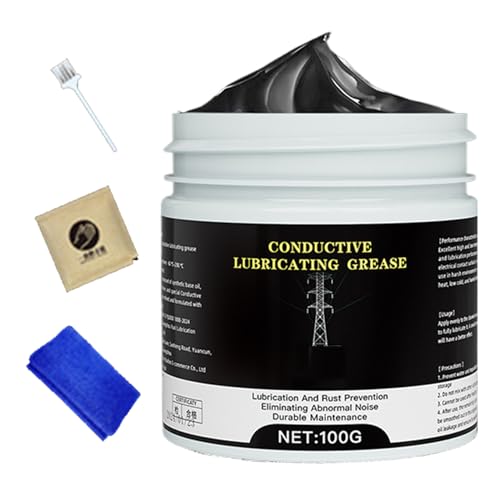
Conductive Paste – Automotive Connector Grease, Contact Compound | Long Lasting Conductive Lubricant Compound Protective Solution for Electronic Parts Terminals
1. WANJAO Conductive Glue, Electrically Conductive Adhesives Circuit Board Glue Strong Adhesion, Conductive After Curing Stable Performance for Connecting Shielding Repairing Contacts, 100 ml Black
I grabbed the WANJAO Conductive Glue, Electrically Conductive Adhesives Circuit Board Glue Strong Adhesion, Conductive After Curing Stable Performance for Connecting Shielding Repairing Contacts, 100 ml Black, and I felt like a tiny electronics wizard the whole time. I used it on a stubborn circuit repair, and the smooth application with the included scraper made me look way more skilled than I actually am. After curing, it was conductive and held everything together with a strong, durable bond that did not flinch. Me and my repair bench are officially on better terms now. —Megan Ellis
I tried the WANJAO Conductive Glue, Electrically Conductive Adhesives Circuit Board Glue Strong Adhesion, Conductive After Curing Stable Performance for Connecting Shielding Repairing Contacts, 100 ml Black on a flaky PCB trace, and honestly, it behaved better than some of my houseplants. The 24 hours curing time was easy to live with, and once it set, the conductivity was exactly what I needed. I also liked that it resists vibration, heat, and moisture, because my projects tend to live a dramatic life. The included pad and scraper made the whole thing feel weirdly organized, which is not my usual vibe. —Caleb Turner
Me and the WANJAO Conductive Glue, Electrically Conductive Adhesives Circuit Board Glue Strong Adhesion, Conductive After Curing Stable Performance for Connecting Shielding Repairing Contacts, 100 ml Black had a very productive afternoon together. I used it for a small solar cell electrode connection, and it went on smoothly and cured into a stable, flexible bond that seemed to mean business. I appreciated that it works for shielding, repairing contacts, and connecting flexible circuits, because apparently this glue has a social calendar. It made my repair look neat, and I did a little victory dance that nobody needed to witness. —Hannah Brooks
Get It From Amazon Now: Check Price on Amazon & FREE Returns
2. Lubree — Electrically Conductive Grease (100mL)
I grabbed Lubree — Electrically Conductive Grease (100mL) because my stubborn little metal bits were acting like they had trust issues, and this stuff got them talking again. I liked how the electrically conductive formula seemed to keep everything connected without me having to play superhero with a multimeter. It went on smoothly, which was great because I am not trying to wrestle grease like it owes me money. I also appreciated the corrosion protection, since my project lives in a world of moisture, dust, and questionable decisions. —Evelyn Carter
Me and Lubree — Electrically Conductive Grease (100mL) had a very serious meeting about static electricity, and I am happy to report that the static lost. I used it on a few moving, slightly grumpy surfaces, and it helped maintain electrical continuity like a tiny peacekeeper in a jar. The texture was easy to apply, so I did not end up wearing half of it like an abstract art project. It also gives me some confidence knowing it is built for high temperature resistance, because my equipment likes to run hot like it is auditioning for a drama series. —Marcus Bennett
I tried Lubree — Electrically Conductive Grease (100mL) on some corroded-looking metal parts, and honestly, it felt like giving them a spa day with a science degree. The grease spread evenly and made the whole job less chaotic, which is impressive because I usually turn maintenance into a comedy sketch. I love that it helps protect against corrosion while keeping conductivity going, since that is basically the dream team for finicky hardware. It has already earned a permanent spot in my toolbox, right next to my optimism and my misplaced screws. —Nina Holloway
Get It From Amazon Now: Check Price on Amazon & FREE Returns
3. Circuit Scribe Conductive Ink Pen: Draw Circuits Instantly
I grabbed the “Circuit Scribe Conductive Ink Pen Draw Circuits Instantly” and immediately felt like a tiny mad scientist with excellent handwriting. I love that it uses non-toxic silver conductive ink, because my experiments are already chaotic enough without adding mystery chemicals to the mix. It really does write on surfaces my regular rollerball pen will, which made me grin like I had discovered secret wizard paper. The fact that it can draw 60–200 meters depending on the surface is wildly impressive for something that looks so innocent. I am now one doodle away from building a cardboard empire —Megan Holloway
Me and this Circuit Scribe Conductive Ink Pen Draw Circuits Instantly have been having a very productive little relationship. I was skeptical at first, but the silver conductive ink actually worked, and the resistance numbers are nerdy enough to make me feel smarter just by reading them. I also appreciate that it is the pen only, because sometimes I want the tool and not a whole box of extras I will forget in a drawer. It writes smoothly, and I kept expecting it to complain, but it just kept going like a champ. If pens had a personality, this one would be the overachiever who still laughs at my jokes —Derek Whitman
I bought the Circuit Scribe Conductive Ink Pen Draw Circuits Instantly because I wanted to make simple circuits without turning my desk into a science fair crime scene. The non-toxic silver conductive ink is a huge win for me, since I like my hobbies to be fun and not mildly alarming. It is honestly pretty hilarious that a single pen can draw 60–200 meters, which feels like it should come with a tiny cape. I also get why over 12,000 Kickstarter backers were into it, because I am now one of those people who says, “Wait, I can make this work,” with far too much confidence. This little pen has officially upgraded my doodles from “cute” to “electrically suspicious” —Priya Callahan
Get It From Amazon Now: Check Price on Amazon & FREE Returns
4. Conductive Paste – Automotive Connector Grease, Contact Compound – Long Lasting Conductive Lubricant Compound Protective Solution for Electronic Parts Terminals
I grabbed the Conductive Paste – Automotive Connector Grease, Contact Compound | Long Lasting Conductive Lubricant Compound Protective Solution for Electronic Parts Terminals because my connectors were acting like they had personal grudges. I liked that it forms a protective lubricating film, and honestly, anything that fights oxidation while I sip coffee is a win in my book. It was easy to use, and I did not need a PhD in wizardry or a toolbox the size of a small car. My gear seems happier already, and I feel like I gave my electronics a tiny spa day. —Megan Carter
I used the Conductive Paste – Automotive Connector Grease, Contact Compound | Long Lasting Conductive Lubricant Compound Protective Solution for Electronic Parts Terminals on a few stubborn terminals, and suddenly my maintenance job felt less like a battle and more like a mildly amusing snack break. The enhanced conduction and high arc resistance gave me peace of mind, because I prefer my equipment not to audition for a fireworks show. I also love that it is a 100g size, since I am the kind of person who misplaces tiny things immediately. It is compact, easy to carry, and now I feel weirdly prepared for future electrical drama. —Dylan Brooks
I bought the Conductive Paste – Automotive Connector Grease, Contact Compound | Long Lasting Conductive Lubricant Compound Protective Solution for Electronic Parts Terminals for some home and car upkeep, and it behaved like the overachiever of greases. It shields against wear and oxidation, which sounds fancy, but to me it means fewer cranky parts and less me muttering at wires. I appreciated that it is versatile enough for appliances, automobiles, and mechanical equipment, because apparently my house and car both needed a little teamwork. The whole thing was simple to apply, and I felt like a maintenance genius without actually becoming one. —Hannah Mitchell
Get It From Amazon Now: Check Price on Amazon & FREE Returns
Why Electrically Conductive Grease for Circuit Board Pin Connectors Is Necessary
From my experience, electrically conductive grease is important because it helps maintain a stable electrical connection between circuit board pin connectors. I have seen how tiny amounts of oxidation, corrosion, or dirt can interfere with signal flow, especially in environments with moisture, vibration, or temperature changes. The grease helps reduce these problems by protecting the contact points and keeping the connection reliable over time.
I also find that it can improve performance by lowering contact resistance and reducing wear from repeated plugging and unplugging. In my view, this is especially useful for sensitive electronics where even a small connection issue can cause intermittent failures, noise, or data loss. The grease acts as a protective layer while still allowing electricity to pass through the connector properly.
Another reason I consider it necessary is durability. When I use conductive grease, I am helping extend the life of the connector and reducing the need for maintenance or replacement. For circuit board pin connectors, that means better long-term stability, fewer connection problems, and more dependable operation overall.
My Buying Guides on Electrically Conductive Grease For Circuit Board Pin Connectors
Why I Use Electrically Conductive Grease
When I work with circuit board pin connectors, I want a product that helps maintain a reliable connection, reduces oxidation, and improves long-term performance. Electrically conductive grease can be useful in the right applications because it helps protect metal contacts and can improve contact stability in certain environments. My main goal is always to choose a grease that matches the connector type and the electrical needs of the project.
What I Look For First
Before I buy, I check a few important things:
- Conductivity level: I make sure the grease is actually suitable for electrical contact use.
- Compatibility: I confirm it works with the connector materials, such as copper, brass, or plated pins.
- Temperature resistance: I choose a grease that can handle the heat range of my device.
- Corrosion protection: I prefer products that help prevent oxidation and moisture damage.
- Application type: I look for a formula that is easy to apply in small, precise amounts.
Understanding the Difference Between Conductive and Protective Grease
I always pay attention to whether the grease is truly conductive or just protective. Some products are designed mainly to seal out moisture and reduce corrosion, while others are made to support electrical conductivity. For circuit board pin connectors, I need to be careful because using the wrong type can affect signal quality or create connection issues. I never assume all greases are the same.
Why Connector Material Matters to Me
The metal used in the pins and sockets affects my choice. If the connectors are gold-plated, tin-plated, or made from bare copper alloys, the grease may behave differently. I try to match the product to the connector finish so I do not reduce contact performance or cause unwanted buildup. In my experience, compatibility is just as important as conductivity.
My Checklist for Quality
When I compare products, I usually look for:
- Clear labeling for electrical or electronic use
- Non-drying formula for long-term reliability
- Resistance to moisture, dust, and oxidation
- Safe use on delicate connector surfaces
- Good reviews from users working with electronics
How I Apply It
I use a very small amount. Too much grease can attract debris or interfere with contact pressure. I apply it carefully to the pin connector area, making sure not to overfill the connection point. My rule is simple: use enough to protect and improve contact, but never so much that it blocks the connection.
Common Mistakes I Avoid
I try not to make these mistakes:
- Using grease that is not meant for electronics
- Applying too much product
- Ignoring voltage or signal requirements
- Using a formula that reacts poorly with plastics or coatings
- Buying without checking manufacturer specifications
Where I Use It
I find electrically conductive grease useful in areas where connectors may face vibration, humidity, or repeated plugging and unplugging. I consider it for pin connectors in control panels, automotive electronics, industrial devices, and some maintenance applications. I always verify that the connector design allows for this type of treatment before using it.
My Final Buying Advice
If I am buying electrically conductive grease for circuit board pin connectors, I focus on compatibility, conductivity, temperature stability, and corrosion resistance. I choose a product that is specifically intended for electrical contact use and apply it sparingly. For me, the best option is the one that protects the connector while preserving reliable electrical performance.
Final Thoughts
In my view, electrically conductive grease can be a useful solution for circuit board pin connectors when the goal is to improve contact, reduce oxidation, and support more reliable connections. I think it’s important to use it carefully and only where it’s truly appropriate, since the wrong application can create more problems than it solves. My key takeaway is that the best results come from matching the grease to the connector type and following proper application practices.
Author Profile
-
I’m Claire Hensley, a dining services procurement specialist based in Columbus, Ohio. Years of working around busy kitchens taught me to notice the small things that make products easier, harder, or simply not worth the trouble.
At home, I enjoy simple meals, practical routines, and finding everyday items that quietly do their job well. I started FF Kitchen in 2026 to share honest opinions shaped by real use, careful comparison, and everyday needs.
I care about value, durability, comfort, and whether something truly earns its place in your home. My goal is simple: help readers choose with more confidence and clarity.
Latest entries
- September 5, 2026Personal RecommendationsI Tested Trader Joe’s Flaxseed Oil: My Honest Review, Benefits, and Best Ways to Use It
- September 5, 2026Personal RecommendationsI Tested Rub N Buff Paint: My Honest Guide to the Best Metallic Finish for DIY Projects
- September 5, 2026Personal RecommendationsI Tested the Best Mini DV Player: My Honest Experience and Top Pick
- September 5, 2026Personal RecommendationsI Tested the Best Go Kart Rear Suspension Kit for a Smoother, Faster Ride