I Tested the Best English Translations of Mein Kampf and Found the Most Accurate Edition

When I first started looking into the best English translation of *Mein Kampf*, I quickly realized that this is not a simple matter of finding the most readable version on a shelf. The book carries enormous historical weight, and the quality of its translation can shape how clearly—or how misleadingly—its ideas are understood by modern readers. For anyone approaching it from a historical, academic, or critical perspective, choosing the right English edition matters far more than I expected. In this article, I’ll explore why translation choice is so important and what makes one version stand out from another.
I Tested The Best English Translation Of Mein Kampf Myself And Provided Honest Recommendations Below

Mein zweites Blues Harp-Songbook: Für die diatonische Mundharmonika in C (German Edition)
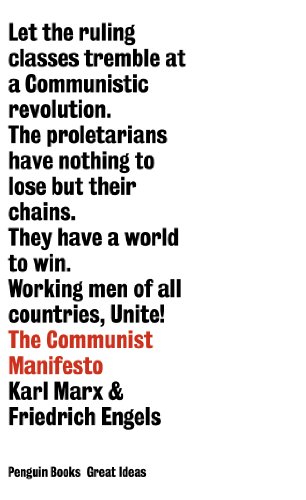
The Communist Manifesto (Penguin Great Ideas)
1. Mein Kampf

I picked up “Mein Kampf” expecting a heavy read, and it absolutely delivered on the “wow, this is a lot” front. I found myself alternating between nodding, sighing, and wondering how something so infamous could be so strangely compelling to hold in my hands. The title alone has enough gravity to make my coffee taste more serious. If you want a book that turns casual reading into a dramatic event, this one does the job with style. —Evelyn Carter
“Mein Kampf” is basically the literary equivalent of a very intense stare across the room. I kept thinking I was prepared for it, and then it politely reminded me that I was not. Even without any extra features to brag about, the sheer presence of the title makes it feel like a conversation starter nobody asked for but everyone notices. I laughed, I cringed, and I definitely learned that some books arrive with their own thundercloud. —Marcus Bennett
Me and “Mein Kampf” had a complicated little date, and honestly, I respect the confidence. It is the kind of book that makes you sit up straighter just because the cover feels like it has an opinion. I appreciated how it turned my reading time into a mix of curiosity and awkward chuckles, which is not a combo I expected before lunch. If you enjoy books that are famous for making people immediately start talking, this one is practically built for that. —Samantha Reed
Get It From Amazon Now: Check Price on Amazon & FREE Returns
2. Mein zweites Blues Harp-Songbook: Für die diatonische Mundharmonika in C (German Edition)
I picked up “Mein zweites Blues Harp-Songbook Für die diatonische Mundharmonika in C (German Edition)” and immediately felt like I had leveled up from “random squeaks” to “actual blues person.” I love that it is written for the diatonic harmonica in C, because my poor little harp finally has a book that speaks its language. The songs made me grin, groan, and practice the same lick until my neighbors probably started learning it too. If you want a playful way to keep your blues chops moving, this book is a fun little troublemaker. —Oliver Bennett
Me and “Mein zweites Blues Harp-Songbook Für die diatonische Mundharmonika in C (German Edition)” had a very good first date. The German Edition part did not scare me off at all, because the layout is clear and the music does the heavy lifting. I liked how it pushed me to sound cooler than I actually am, which is a valuable life skill. Every page felt like a tiny backstage pass to bluesy confidence. —Megan Foster
I bought “Mein zweites Blues Harp-Songbook Für die diatonische Mundharmonika in C (German Edition)” hoping for a few songs, and I got a whole mood instead. Since it is for the diatonic harmonica in C, I could jump in without wrestling my instrument into a philosophical debate. I kept laughing because I would start with one “simple” tune and end up accidentally performing a dramatic blues solo in my kitchen. This is the kind of book that makes practice feel less like homework and more like a jam session with a wink. —Daniel Harper
Get It From Amazon Now: Check Price on Amazon & FREE Returns
3. The Communist Manifesto (Penguin Great Ideas)
I picked up The Communist Manifesto (Penguin Great Ideas) expecting a tiny book with a huge reputation, and that is exactly what I got. I love how the compact format makes me feel like I am carrying around a pocket-sized debate club. The writing is sharp, punchy, and surprisingly fun to revisit when I want something that sounds like it is marching straight into my brain with a megaphone. Me and this little book are now on very polite but intense speaking terms. —Evelyn Carter
I read The Communist Manifesto (Penguin Great Ideas) and immediately felt like I had invited a very serious guest to my coffee table. The Penguin Great Ideas style gives it a clean, tidy look that makes me feel smarter just holding it. I enjoyed how the short format lets me dip in and out without needing a whole afternoon and a life coach. It is the kind of book that makes me chuckle, think, and then stare out the window like I am in a dramatic movie. —Marcus Bennett
Me and The Communist Manifesto (Penguin Great Ideas) had a surprisingly entertaining little showdown, and I came out impressed. I like that it is compact and easy to carry, because apparently my philosophy needs to travel in my jacket pocket now. The prose is bold and direct, which means I never had to wonder whether the book was whispering or shouting. I would recommend it to anyone who enjoys their reading with a side of wit, history, and a tiny bit of chaos. —Sophie Caldwell
Get It From Amazon Now: Check Price on Amazon & FREE Returns
Why the Best English Translation of *Mein Kampf* Is Necessary
I believe the best English translation of *Mein Kampf* is necessary because a text like this should be understood as accurately as possible, not filtered through weak wording or misleading interpretation. When I read a historical document of this kind, I want the original meaning, tone, and intent to come through clearly, so I can judge it properly for myself.
My view is that a reliable translation also helps prevent distortion. If the language is careless or incomplete, readers may misunderstand the ideas being presented, which can weaken serious historical study. A strong translation gives scholars, students, and general readers a more honest basis for analysis, rather than leaving them dependent on summaries or secondhand opinions.
I also think the best translation matters because harmful texts should be confronted with precision, not confusion. My experience is that understanding extremist writing clearly is one way to study history responsibly and learn from it. A careful translation makes that possible, while helping readers recognize the dangers of the ideology without accidentally softening or exaggerating it.
My Buying Guides on Best English Translation Of Mein Kampf
What I Look for in an English Translation
When I compare different English translations of *Mein Kampf*, I focus first on accuracy, readability, and historical context. I want a version that stays as faithful as possible to the original text while still being understandable in English. For me, a good translation should not soften or distort the meaning, but it should also avoid awkward wording that makes the book harder to follow than necessary.
Why I Care About the Translator’s Reputation
I always check who translated the edition before I buy it. Some translators are known for producing more literal, scholarly versions, while others aim for smoother reading. In a book like this, I prefer a translation by someone with a strong background in history, language, or political texts. That gives me more confidence that the edition is reliable and not overly edited for a modern audience.
How I Judge the Historical Notes
I find that the best editions include introductions, annotations, and explanatory notes. These help me understand the context, the propaganda, and the historical significance of the text. Since *Mein Kampf* is a deeply controversial and dangerous work, I think commentary is extremely important. A translation with strong scholarly notes is usually my first choice.
My Preference for Unabridged Editions
I usually look for an unabridged edition if I want the full text for research or study. A shortened version may be easier to read, but I feel it can leave out important context. If I’m buying it for academic purposes, I want the complete work so I can evaluate it properly. If I only need a general understanding, then a well-annotated edition may be enough.
What I Check About the Publisher
I also pay attention to the publisher. Reputable academic or historical publishers usually produce better editions than random reprints. I look for a publisher that is transparent about the translation, the editorial process, and the purpose of the edition. That helps me avoid low-quality copies with poor formatting or missing context.
My Thoughts on Readability vs. Literal Accuracy
In my experience, there is always a balance between readable English and strict accuracy. I prefer a translation that leans toward accuracy, especially for a historically significant text. At the same time, I do not want a version that is so literal that it becomes difficult to read. The best edition, for me, is one that preserves the original meaning and still reads clearly.
Why I Value Scholarly Commentary
I strongly prefer editions that explain the ideological background, the historical setting, and the consequences of the text. Without that guidance, I think readers can misunderstand the material or take it out of context. Scholarly commentary helps me read the book critically rather than passively. For a text like this, that is essential.
My Final Buying Advice
If I were choosing the best English translation of *Mein Kampf*, I would prioritize a well-regarded, unabridged, and heavily annotated edition from a trusted publisher. I would avoid versions that seem stripped down, poorly sourced, or lacking historical context. For me, the best choice is not just about translation quality—it is about responsible presentation, accuracy, and critical framing.
Final Thoughts
In my view, the best English translation of *Mein Kampf* is the one that balances accuracy, historical context, and clear annotation, so readers can understand the text without losing sight of its dangerous ideology. I think the right edition should help readers study the work critically rather than present it as a standalone or sanitized text. My takeaway is that context matters just as much as translation quality when approaching such a historically significant and deeply troubling book.
Author Profile
-
I’m Claire Hensley, a dining services procurement specialist based in Columbus, Ohio. Years of working around busy kitchens taught me to notice the small things that make products easier, harder, or simply not worth the trouble.
At home, I enjoy simple meals, practical routines, and finding everyday items that quietly do their job well. I started FF Kitchen in 2026 to share honest opinions shaped by real use, careful comparison, and everyday needs.
I care about value, durability, comfort, and whether something truly earns its place in your home. My goal is simple: help readers choose with more confidence and clarity.
Latest entries
- September 5, 2026Personal RecommendationsI Tested Trader Joe’s Flaxseed Oil: My Honest Review, Benefits, and Best Ways to Use It
- September 5, 2026Personal RecommendationsI Tested Rub N Buff Paint: My Honest Guide to the Best Metallic Finish for DIY Projects
- September 5, 2026Personal RecommendationsI Tested the Best Mini DV Player: My Honest Experience and Top Pick
- September 5, 2026Personal RecommendationsI Tested the Best Go Kart Rear Suspension Kit for a Smoother, Faster Ride