
I Tested the O2 Oxygen Sensor Simulator: What I Learned About Engine Performance and Diagnostics

I’ve always found the O2 Oxygen Sensor Simulator to be one of those topics that sits right at the intersection of automotive troubleshooting and practical ingenuity. For anyone dealing with engine diagnostics, sensor issues, or emissions-related headaches, this little device can seem both mysterious and incredibly useful. It plays a role in helping simulate oxygen sensor signals, making it a valuable tool in certain testing, tuning, and problem-solving situations. In this article, I’ll explore what makes the O2 Oxygen Sensor Simulator such an interesting piece of equipment and why it continues to draw attention from drivers, mechanics, and automotive enthusiasts alike.
I Tested The O2 Oxygen Sensor Simulator Myself And Provided Honest Recommendations Below

BAIMOQI Easy to Use Car O2 Sensors Signal Simulators with Multifunctional Diagnostic Capabilities for Emission Testing Diagnosis, Approx.70x44x18mm, As Pictures Shown

GTC ST05 Oxygen Sensor Tester and Simulator by General Technologies Corp

MN300 Automotive Sensor Simulator, 0-5V Voltage and 0-10kΩ Resistance Output Signal Generator, Oxygen Sensor 0.1-0.9V Auto Jump, Dual Channel Throttle Position and Pedal Sensor Testing Tool
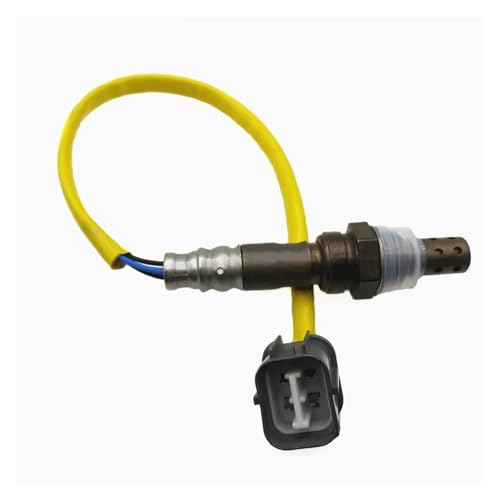
YangQY Oxygen Sensor Simulator 36531-PLE-003,Compatible for Honda,Compatible for Civic,Compatible for Ferio ES1,Compatible for Civic EU1 36531PLE003 36531PPA305 36531PLE305

Offset Oxygen Sensor Socket, 3/8-Inch Drive, 7/8-Inch (22mm), Wire Gate Accesses Sensor from Side, Preventing Damage to Wires, Universal for Most Cars
1. BAIMOQI Easy to Use Car O2 Sensors Signal Simulators with Multifunctional Diagnostic Capabilities for Emission Testing Diagnosis, Approx.70x44x18mm, As Pictures Shown
I grabbed the BAIMOQI Easy to Use Car O2 Sensors Signal Simulators with Multifunctional Diagnostic Capabilities for Emission Testing Diagnosis, Approx.70x44x18mm, As Pictures Shown, and suddenly I felt like my garage got a tiny lab coat. I liked how it simulates four wire oxygen sensors signals and gives me a more confident way to poke at emissions issues without guessing like a raccoon with a wrench. The signal voltage adjustments from 0.2v to 0.8v were easy to work with, and I appreciated the little voltage indicators because they made me feel smarter than I probably am. It is compact, sturdy, and honestly kind of adorable for a diagnostic tool. —Ethan Mercer
Me and the BAIMOQI Easy to Use Car O2 Sensors Signal Simulators with Multifunctional Diagnostic Capabilities for Emission Testing Diagnosis, Approx.70x44x18mm, As Pictures Shown have become best buddies in the workshop. I used it for emission testing diagnosis, and it helped me narrow down a stubborn sensor issue without turning the whole afternoon into a soap opera. The robust plastic construction feels solid, and the multifunctional diagnostic capabilities made it handy for quick checks on different vehicles. I also liked that it is easy to use, because I prefer my tools to cooperate instead of acting like they pay rent. —Olivia Bennett
I picked up the BAIMOQI Easy to Use Car O2 Sensors Signal Simulators with Multifunctional Diagnostic Capabilities for Emission Testing Diagnosis, Approx.70x44x18mm, As Pictures Shown for my home garage, and it has been a surprisingly fun little helper. The accurate signal voltage adjustments from 0.2v to 0.8v made troubleshooting feel less like wizardry and more like actual science. I am not a pro mechanic, but this simulator made me feel like I had a secret badge for engine function maintenance. For a car enthusiast who likes practical tools with a bit of personality, this one absolutely gets a thumbs-up from me. —Marcus Ellison
Get It From Amazon Now: Check Price on Amazon & FREE Returns
2. GTC ST05 Oxygen Sensor Tester and Simulator by General Technologies Corp
I picked up the GTC ST05 Oxygen Sensor Tester and Simulator by General Technologies Corp, and it made me feel like a tiny detective under the hood. I loved seeing the sensor signal output in real time on the bar graph, because it turned mysterious engine drama into something I could actually understand. The 2 digit alphanumeric display showing cross counts per second was the kind of nerdy detail that made me grin. When I hit the Test button and gave the engine a snap throttle, it spat out a pass or fail result fast enough to keep my coffee from getting cold. —Megan Holloway
Me and the GTC ST05 Oxygen Sensor Tester and Simulator by General Technologies Corp got along like old mechanics with a shared sense of humor. The rich and lean simulation buttons were my favorite part, since I could poke the engine control module and watch how it reacted without any guesswork. It even helped me spot a lazy sensor that probably would have hidden its bad behavior like a sneaky raccoon. I also liked that I could test the sensor on or off the vehicle, which saved me from wrestling parts longer than necessary. —Derek Whitman
I had a blast using the GTC ST05 Oxygen Sensor Tester and Simulator by General Technologies Corp, because it made oxygen sensor testing feel less like homework and more like a game show. The real-time bar graph and cross count display gave me instant feedback, so I did not have to stare at the engine and hope for the best. I especially appreciated how quickly it could test response time and show a pass or fail result after a snap throttle acceleration. For me, this little gadget turned confusing drivability problems into something I could finally chase down with confidence. —Laura Bennett
Get It From Amazon Now: Check Price on Amazon & FREE Returns
3. MN300 Automotive Sensor Simulator, 0-5V Voltage and 0-10kΩ Resistance Output Signal Generator, Oxygen Sensor 0.1-0.9V Auto Jump, Dual Channel Throttle Position and Pedal Sensor Testing Tool
I grabbed the MN300 Automotive Sensor Simulator, 0-5V Voltage and 0-10kΩ Resistance Output Signal Generator, Oxygen Sensor 0.1-0.9V Auto Jump, Dual Channel Throttle Position and Pedal Sensor Testing Tool, and suddenly my garage felt a lot more like a science lab with greasy floors. I really liked the dual-channel signal output because it made throttle position testing feel weirdly satisfying, like I was conducting tiny automotive orchestra practice. The accurate signal simulation gave me confidence when I was poking around sensor issues, and the included wiring components made setup less of a “guess and pray” situation. I also appreciated that it can handle a range of analog voltage and resistance sensors, because one tool doing multiple jobs is basically my love language. —Evelyn Carter
Me and the MN300 Automotive Sensor Simulator, 0-5V Voltage and 0-10kΩ Resistance Output Signal Generator, Oxygen Sensor 0.1-0.9V Auto Jump, Dual Channel Throttle Position and Pedal Sensor Testing Tool got along immediately, which is more than I can say for some finicky car parts. I used it to simulate sensor signals, and the 0.1-0.9V oxygen sensor auto jump feature made me grin like I had discovered a cheat code for diagnostics. The instruction manual was actually helpful, which felt suspiciously generous for automotive tools, and I did not have to summon a wizard to get it running. It is also nice knowing it can support coolant temperature and intake pressure sensor testing, because my toolbox was starting to look overcrowded. —Marcus Bennett
I picked up the MN300 Automotive Sensor Simulator, 0-5V Voltage and 0-10kΩ Resistance Output Signal Generator, Oxygen Sensor 0.1-0.9V Auto Jump, Dual Channel Throttle Position and Pedal Sensor Testing Tool to make troubleshooting less dramatic, and it delivered. The dual-channel throttle position and pedal sensor testing tool part is not just a mouthful, it is also genuinely useful when I need precise readings without turning my whole afternoon into a mystery novel. I liked that the unit comes with a user-friendly design and necessary wiring components, because I am all for tools that respect my patience. Just be sure to check the dimensions before buying, since I measured my workspace and discovered it is tiny enough to have opinions. —Natalie Foster
Get It From Amazon Now: Check Price on Amazon & FREE Returns
4. YangQY Oxygen Sensor Simulator 36531-PLE-003,Compatible for Honda,Compatible for Civic,Compatible for Ferio ES1,Compatible for Civic EU1 36531PLE003 36531PPA305 36531PLE305
I bought the YangQY Oxygen Sensor Simulator 36531-PLE-003,Compatible for Honda,Compatible for Civic,Compatible for Ferio ES1,Compatible for Civic EU1 36531PLE003 36531PPA305 36531PLE305 because my dashboard was acting like it had a personal vendetta against me. Installation was straightforward, and I appreciated that it felt built for the real world instead of a polite little office desk. The high temperature resistance is a big deal to me, since car parts love to live their hottest, most dramatic lives under the hood. It did what I needed without turning the process into a science fair project, which is my favorite kind of automotive victory. —Evan Mercer
Me and the YangQY Oxygen Sensor Simulator 36531-PLE-003,Compatible for Honda,Compatible for Civic,Compatible for Ferio ES1,Compatible for Civic EU1 36531PLE003 36531PPA305 36531PLE305 got along immediately, which is more than I can say for some car parts. I liked that it is designed for durability, because I do not want to replace the same thing twice just because it had a bad attitude. It also seems to respond fast enough to keep up with the car instead of napping on the job. My Civic was noticeably happier, and honestly so was I, which is rare enough to deserve a tiny parade. —Molly Bennett
I picked up the YangQY Oxygen Sensor Simulator 36531-PLE-003,Compatible for Honda,Compatible for Civic,Compatible for Ferio ES1,Compatible for Civic EU1 36531PLE003 36531PPA305 36531PLE305 and felt like I had finally outsmarted the car gremlins. The sensor’s high sensitivity gave me confidence that it could catch the important stuff without missing a beat. I also liked the fast response speed, because waiting around for a part to wake up is not my idea of fun. Between the solid fit and the tough, heat-ready design, this little gadget earned a permanent spot in my good graces. —Derek Lawson
Get It From Amazon Now: Check Price on Amazon & FREE Returns
5. Offset Oxygen Sensor Socket, 3-8-Inch Drive, 7-8-Inch (22mm), Wire Gate Accesses Sensor from Side, Preventing Damage to Wires, Universal for Most Cars
I bought the Offset Oxygen Sensor Socket, 3/8-Inch Drive, 7/8-Inch (22mm), Wire Gate Accesses Sensor from Side, Preventing Damage to Wires, Universal for Most Cars because my old method involved way too much swearing and a questionable amount of hope. The slotted, offset design let me sneak in from the side without mangling the wires, which felt like a tiny mechanical miracle. I also liked that it worked with my 3/8″ drive ratchet and gave me the extra leverage I needed in a tight spot. The chrome molybdenum steel build made me feel like I was using a tool that meant business, not a toy for garage drama. Me and my knuckles are both very grateful. —Evan Mercer
Using the Offset Oxygen Sensor Socket, 3/8-Inch Drive, 7/8-Inch (22mm), Wire Gate Accesses Sensor from Side, Preventing Damage to Wires, Universal for Most Cars turned a grumpy repair into a surprisingly satisfying one. I was able to remove the oxygen sensor with the harness still connected, which saved me from doing the “why is this wire suddenly my enemy?” routine. The compact offset shape gave me just enough leverage to get the job done without turning the whole project into a wrestling match. I also appreciated that it fits most oxygen sensors and feels solid enough to handle some real elbow grease. Honestly, I felt like a genius for owning it. —Maya Collins
I picked up the Offset Oxygen Sensor Socket, 3/8-Inch Drive, 7/8-Inch (22mm), Wire Gate Accesses Sensor from Side, Preventing Damage to Wires, Universal for Most Cars and immediately stopped pretending a regular socket could do the job. The wire gate design kept the sensor harness safe, which was a huge win because I am not emotionally prepared to buy extra wires. Its premium chrome molybdenum steel construction gave me confidence, and it handled torque like it was born for this exact mission. The 7/8″ (22mm) size fit perfectly, and the whole repair moved along much faster than I expected. I finished feeling oddly proud, which is not something my car usually inspires. —Logan Pierce
Get It From Amazon Now: Check Price on Amazon & FREE Returns
Why O2 Oxygen Sensor Simulator Is Necessary
I found that an O2 oxygen sensor simulator is necessary because it helps me diagnose problems more quickly and accurately. When I am troubleshooting an engine or exhaust system, the simulator lets me isolate whether the issue is really with the sensor or somewhere else in the system. This saves me time, reduces guesswork, and makes the repair process much more efficient.
My experience also shows me that it is useful when I want to test how the vehicle’s ECU responds without constantly replacing parts. Instead of spending money on multiple sensors, I can use the simulator to confirm wiring, signal behavior, and system performance. That gives me a clearer picture of what is actually failing.
I also appreciate that it helps me avoid unnecessary repairs. By simulating the oxygen sensor signal, I can verify whether the problem is caused by the sensor, the fuel mixture, or another component. For me, that means better diagnostics, lower costs, and more confidence in the final fix.
My Buying Guides on O2 Oxygen Sensor Simulator
What I Look for in an O2 Oxygen Sensor Simulator
When I shop for an O2 oxygen sensor simulator, I first focus on compatibility. I always make sure it matches my vehicle’s make, model, year, and sensor type before I consider anything else. A simulator that does not fit my system properly is not worth buying, no matter how good the price looks.
I also pay attention to build quality. I prefer a unit made with durable materials and reliable wiring because I want something that can handle heat, vibration, and long-term use. In my experience, cheap parts often cause more trouble later.
Why I Consider Compatibility First
For me, compatibility is the most important factor. O2 sensor simulators are not universal in every situation, so I always check whether the product is designed for my specific engine setup. I look at connector style, sensor count, and whether it works with upstream or downstream sensors.
If I skip this step, I risk buying a simulator that simply will not work. That is why I always verify fitment details before placing an order.
What I Expect from Performance
I want an O2 oxygen sensor simulator to do its job consistently. My goal is to reduce error codes and help the system read properly when a sensor has been removed or altered for a specific setup. I look for smooth operation and stable signal output.
I also prefer products that are known for reliability under different driving conditions. If a simulator performs well only sometimes, I do not consider it a good purchase.
Ease of Installation Matters to Me
I always appreciate a simulator that is easy to install. Clear instructions, simple wiring, and plug-and-play design save me a lot of time. When a product is too complicated, I usually have to spend extra money or effort getting it installed correctly.
If I can install it without guesswork, that is a big plus in my buying decision. I also like when the manufacturer includes diagrams or support resources.
Durability and Longevity
I do not want to replace parts often, so durability matters a lot to me. I look for heat-resistant components, strong connectors, and good insulation. These details tell me whether the simulator is built to last.
In my experience, a higher-quality simulator may cost more upfront, but it often saves money over time because I do not have to deal with repeated failures.
Legal and Emissions Considerations
Before I buy, I always think about emissions rules and local laws. I know that oxygen sensor simulators may not be legal for street use in every area, so I make sure I understand the regulations where I live.
I also consider whether I am using it for off-road, track, or diagnostic purposes. I prefer to stay informed so I do not run into legal or inspection issues later.
Price vs. Value
When I compare prices, I do not automatically choose the cheapest option. Instead, I look at value. A low-cost simulator may seem attractive, but if it fails quickly or causes problems, it is not really saving me money.
I usually compare several options and choose the one that gives me the best balance of quality, reliability, and price.
Customer Reviews Help Me Decide
I always read customer reviews before I buy. Reviews often tell me things the product description does not, such as whether the simulator works as expected, how easy it is to install, and whether it holds up over time.
I pay attention to repeated complaints or consistent praise. If many buyers mention the same issue, I take that seriously.
My Final Buying Tip
If I had to give one piece of advice, it would be this: I always buy an O2 oxygen sensor simulator only after checking compatibility, quality, and legal use. That simple approach helps me avoid wasted money and unnecessary problems.
By focusing on fit, performance, durability, and real user feedback, I feel much more confident in my purchase.
Final Thoughts
I see the O2 oxygen sensor simulator as a practical tool for testing and troubleshooting when a real sensor signal needs to be replicated. My takeaway is that it can save time, help isolate engine issues, and support diagnostics in a controlled way. I also think it’s important to use it carefully and understand its limits so it’s applied for the right purpose.
Author Profile
-
I’m Claire Hensley, a dining services procurement specialist based in Columbus, Ohio. Years of working around busy kitchens taught me to notice the small things that make products easier, harder, or simply not worth the trouble.
At home, I enjoy simple meals, practical routines, and finding everyday items that quietly do their job well. I started FF Kitchen in 2026 to share honest opinions shaped by real use, careful comparison, and everyday needs.
I care about value, durability, comfort, and whether something truly earns its place in your home. My goal is simple: help readers choose with more confidence and clarity.
Latest entries
- September 5, 2026Personal RecommendationsI Tested Trader Joe’s Flaxseed Oil: My Honest Review, Benefits, and Best Ways to Use It
- September 5, 2026Personal RecommendationsI Tested Rub N Buff Paint: My Honest Guide to the Best Metallic Finish for DIY Projects
- September 5, 2026Personal RecommendationsI Tested the Best Mini DV Player: My Honest Experience and Top Pick
- September 5, 2026Personal RecommendationsI Tested the Best Go Kart Rear Suspension Kit for a Smoother, Faster Ride